

More than Bad Breath: The Risks of Ignoring your Pet's Oral Health | Urgent Paws Veterinary Care
February 26, 2026
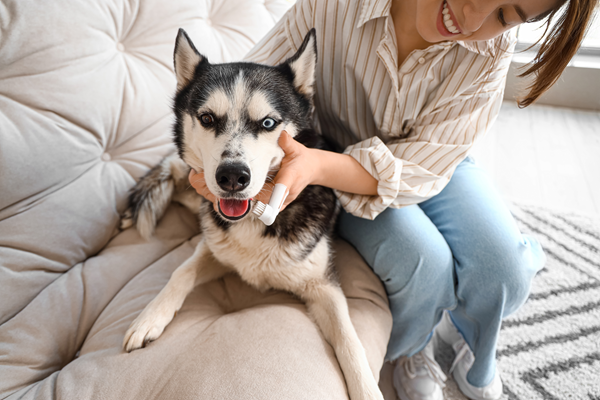
Person petting a husky on a beige couch, with the dog looking relaxed and panting

Inflamed gums and tartar aren't just "dirty teeth." They are the start of a disease process that can affect far more than a pet's mouth, if left untreated.

Periodontal disease is one of the most common health conditions affecting our pets and the consequences are often forgotten.

What Periodontal Disease Really Is

Periodontal disease (PD) is an inflammatory condition that affects the tissues supporting the teeth. It starts when a thin layer of saliva forms on the teeth. Bacteria stick to this layer and build plaque.

If plaque is not removed, it causes inflammation: the gums become red and swollen. This inflammation is called gingivitis. If it continues, the inflammation spreads deeper than the gums, damaging bone and causing teeth to become loose and even fall out.

In severe cases, periodontal disease may lead to abscesses, bone infection of the jaw, or even pathologic fractures of the jaw.

This isn't "bad breath." It's chronic, destructive inflammation.

It's Not Only in the Mouth

One of the most important and often overlooked realities of periodontal disease is its effect on the rest of the body.

Bacteria and inflammatory chemicals released in damaged gums can enter the bloodstream and cause damage to other organs. Research shows links between periodontal disease and problems with the kidney, liver, and heart.

Periodontal disease is not just about the mouth-it affects overall health and may shorten a pet's life.

Why Periodontal Disease Is So Common

Many factors can increase the damage of periodontal disease, including genetics and nutrition, as well as the simple fact that most dogs and cats do not receive daily toothbrushing.

Plaque forms constantly. If it's not removed quickly (such as by brushing), it mineralizes into calculus (tartar), creating a rough surface that can't be brushed away and that collects even more bacteria. The inflammation becomes self-perpetuating.

The solution isn't complicated-but it is consistent.

Daily Home Dental Care

Brushing every day is the most effective method for plaque control. Daily brushing works three times better than dental chews or special plaque-control diets.

When daily brushing isn't possible, talk to your veterinarian about effective oral rinses, dental chews, or dental diets. These options can help-but they are not replacements for brushing.

And importantly, home care alone is not enough once disease has developed, and it might even be painful.

Professional Dental Cleanings: Why Anesthesia Is Necessary

Even with the best homecare possible, most pets will need professional dental cleanings, just like people do. Professional dental cleanings are more correctly called comprehensive oral health assessment and treatment (often abbreviated as COHAT).

During a COHAT:

  • Plaque and tartar are removed both above and below the gumline, and the teeth polished to slow the return of plaque.
  • The teeth and other oral structures are checked carefully for signs of disease.
  • Dental X-rays are often taken to assess the tooth roots and bone.
  • Additional treatment can be performed if needed, such as extractions or advanced periodontal treatment.

Anesthesia is not used for convenience.

It is done for safety, thoroughness, and effectiveness. Periodontal disease starts above the gumline, but the most damaging changes happen below the gumline.

You cannot evaluate or treat these areas effectively in an awake animal. Surface cleaning alone does not treat this disease. Teeth may look better but the disease can still be damaging your pet's health.

What About Systemic Risk and Anesthesia Concerns?

It is normal to worry about anesthesia.

Your veterinarian knows your pet's medical history and is the best resource to discuss your concerns. Before any dental procedure, veterinarians perform assessments like a physical exam and other tests to check organ function. They will develop a specific anesthetic plan to minimize your pet's risk. They may recommend referral to specialists, such as a veterinary dental specialist, or may use the telemedicine services of a veterinary anesthesiologist to further minimize risks.

In rare cases where anesthetic risk outweighs the benefit, a palliative care plan may be created to manage pain and inflammation while maintaining quality of life as best as possible.

In most cases, untreated periodontal disease carries its own systemic risks.

Prevention Is an Investment in Longevity

Periodontal disease is extremely common. It can cause pain, affect organ function, and reduce a pet's lifespan.

Protect your pet as much as possible by providing:

  • Daily home care
  • Regular, professional dental evaluations
  • Timely treatment when disease is detected

Early prevention is far simpler-and far less invasive-than advanced treatment.

If we want our pets to live longer, healthier lives, we cannot treat dental care as optional.

Lift the lip and start brushing. Schedule regular professional cleanings.

Remember that protecting a pet's mouth protects the rest of them, as well.

LifeLearn News

Note: This article, written by LifeLearn Animal Health (LifeLearn Inc.) is licensed to this practice for the personal use of our clients. Any copying, printing or further distribution is prohibited without the express written permission of Lifelearn. Please note that the news information presented here is NOT a substitute for a proper consultation and/or clinical examination of your pet by a veterinarian.

White dog sitting on green grass, wearing a blue collar and scratching its neck outdoors
May 14, 2026
As trees bud, flowers bloom, and grass begins to grow in May, many pets start showing signs of seasonal allergies. While people with allergies often sneeze o...
Black dog in tall green grass, looking left with mouth open outdoors
May 7, 2026
Ticks aren't just a nuisance-they're a health risk for both pets and people. Unfortunately, misinformation about ticks is widespread, and believing common my...
Tabby cat lying on a rug while a person pets it in a cozy room
April 30, 2026
April 30 is National Tabby Day , a day to celebrate one of the most common and recognizable feline coat patterns. Tabbies are often described as bold, playfu...

Small white-and-brown dog sitting on a path, wearing a red collar, with a blurred bridge in the background
April 23, 2026
Every year, countless dogs go missing, leaving families heartbroken. National Lost Dog Awareness Day is a reminder that many of these situations are preventa...
Fluffy orange cat on an exam table while a veterinarian in scrubs examines it with a stethoscope
April 16, 2026
If you've ever thought, "parasites aren't really a concern for my pet," you're definitely not alone. But here's the reality: heartworm infections are increas...
Small tan dog being examined by two vets in a clinic, with a stethoscope and blue gloves
April 2, 2026
This Saturday marks two important awareness days for pet lovers everywhere: World Stray Animals Day and Tag Day . These days share a powerful common goal: ke...
Person clipping a fluffy brown-and-white dog’s nails on a windowsill
March 26, 2026
A broken nail might not sound like a big deal, but for dogs, it can be very painful. If your dog suddenly starts limping, holding up a paw, or licking their ...
Tabby cat with a pink collar sitting on a windowsill beside potted plants
March 19, 2026
Oh, good-you're here. Before you scroll past another blog about how to keep your dog safe this spring, let's get one thing straight: we cats exist, too. And ...
Hands examining a dog’s eye, with fingers gently holding the eyelids open
March 12, 2026
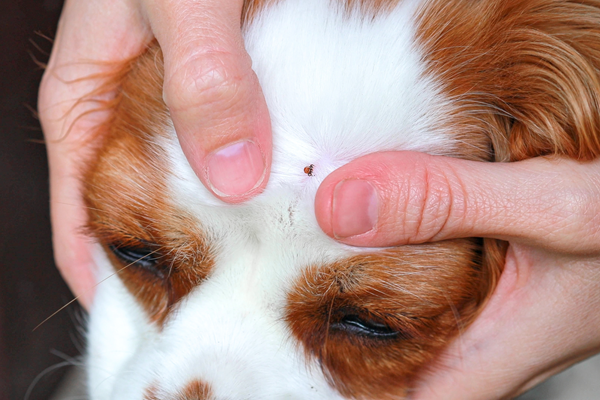
It usually starts with a perfectly normal walk. Your dog is happily uncovering all the secrets in the grass. It's a beautiful day. But hidden in that grass m...

Small monkey on a laptop beside a person at a table, with a phone nearby and a window in the background
March 5, 2026
It usually starts with a simple search. For many, the first thing we do when our pet is sick is to search online. Within seconds you get online advice. The a...