

If you've ever thought, "parasites aren't really a concern for my pet," you're definitely not alone. But here's the reality: heartworm infections are increasing-and they're affecting both dogs and cats.
Let's review what's happening and how to keep your pets protected.
Parasites Are Expanding-And Not Just in Dogs
Heartworm disease is being reported more frequently across North America, including in regions that were once considered low-risk.
The Prevention Gap Is Driving the Problem
Caring for a pet comes with a lot of decisions, and pet owners are doing their absolute best with the information they have. When it comes to parasites like heartworm, though, the risk isn't always obvious.
It's common to:
- Focus on prevention during certain times of year
- Assume indoor pets have little to no exposure
- Be unaware that protection is recommended year-round in the U.S.
The challenge is that parasite risk has been changing. With shifting climate, expanding mosquito populations, and more pet travel, exposure can happen in ways that aren't always predictable.
That means even well-cared-for pets (both dogs and cats) can be at risk, including those that spend most or all of their time indoors. Mosquitoes find their way inside, making consistent protection more important than many people realize.
The good news? Once you know, it's easy to adjust your pet's routine health care to stay ahead of the risk.
What Heartworm Infection Does
In dogs:
- Worms live in the heart and lungs, causing inflammation and scar tissue
- Disease can progress silently at first but, over time, it can lead to heart failure
In cats:
- Fewer worms, but more unpredictable disease with vague signs
- Lung inflammation similar to asthma (often called heartworm-associated respiratory disease)
- Sudden death possible
In both species, early infection often shows no obvious signs .
Heartworm Treatment Versus Prevention
Treatment:
- Heartworm treatment in dogs is complex, costly, and carries risks
- There is no approved adult heartworm treatment in cats
Prevention:
- Simple and easy to give, with very low risk of side effects compared to treatment
- Often protects against multiple parasites
- Highly effective when used consistently
Companion Animal Parasite Council (CAPC) recommends broad-spectrum parasite prevention for both dogs and cats to protect their health.
Year-Round Protection Is a Must
Heartworm prevention should be year-round in the U.S. Why?
- Mosquitoes aren't gone-they're just hiding.
Even in winter, mosquitoes can survive in places like garages, basements, and under leaf litter. A single warm spell can bring them out, even in northern climates. - Prevention works after exposure-not before.
Heartworm preventives often act retroactively, eliminating larvae your pet was exposed to in the previous month. So, if prevention is stopped too early, your pet can still develop infections from late-season mosquito bites. - Warmer winters are changing the rules.
With milder temperatures and urban "heat islands," mosquitoes are staying active longer-and sometimes year-round. - Heartworm is everywhere now.
With pets traveling and being relocated across the country, heartworm-positive animals are present in more communities
Consistency is what keeps your pet protected.
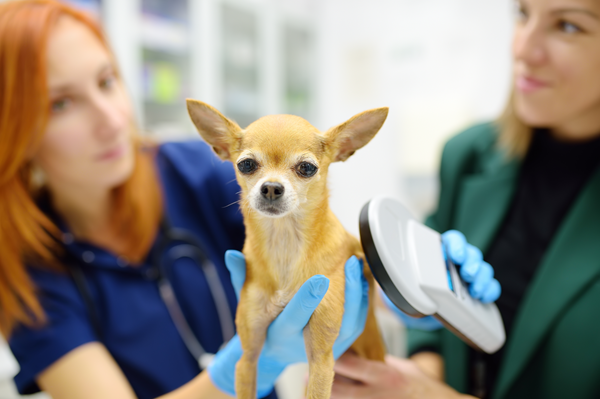
Don't Skip Routine Testing
Even pets on prevention need regular screening. Annual heartworm testing in strongly recommended in dogs.
Testing helps:
- Catch infections early, reducing irreversible heart and lung damage
- Confirm your prevention is working
The Bottom Line
Heartworm infection is:
- Increasing
- Expanding into new areas
- Affecting both dogs and cats
But here's the good news: heartworm is highly preventable.
Your plan:
- Use year-round parasite prevention
- Stay consistent (no missed doses!)
- Schedule regular testing
- Talk to your vet about the best prevention plan for your pet
Whether you have a dog, a cat, or both, heartworm protection isn't just a seasonal task anymore. It's a year-round commitment to your pet's health.
LifeLearn News
Note: This article, written by LifeLearn Animal Health (LifeLearn Inc.) is licensed to this practice for the personal use of our clients. Any copying, printing or further distribution is prohibited without the express written permission of Lifelearn. Please note that the news information presented here is NOT a substitute for a proper consultation and/or clinical examination of your pet by a veterinarian.